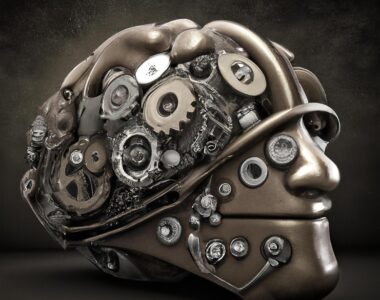


Can AI Create Life Reformed Journal
#Create #Life #Reformed #Journal
The age-old question of creation has puzzled humans for centuries. From the mythical tales of gods and goddesses breathing life into mortal beings to the scientific explorations of the origins of our universe, we have always been fascinated by the concept of creating life. With the rapid advancements in artificial intelligence (AI), a new dimension has been added to this debate: can machines create life? This inquiry delves into the very heart of what it means to be alive, the capabilities of AI, and the ethical implications of such a possibility.
Introduction to AI and Life Creation
To approach this question, we first need to understand what AI is and what we mean by “creating life.” AI refers to the development of computer systems that can perform tasks that would typically require human intelligence, such as learning, problem-solving, and decision-making. Creating life, on the other hand, involves giving rise to organisms that can grow, reproduce, and respond to their environment.
The idea of AI creating life might seem like the stuff of science fiction, but it’s a topic that has garnered significant attention and interest in the scientific community. The underlying question is whether we can engineer a system, using algorithms and machine learning, that can not only mimic life but also originate it.
The Possibilities of Artificial Life
Artificial life (ALife) is a field of research that focuses on creating life forms or simulating living systems using artificial methods. This can range from software programs that mimic the behavior of living organisms to actual robots that can move and interact with their environment. The ultimate goal of ALife is to understand the essential properties of living systems and to create new life forms that can coexist with natural life.
There are several approaches to creating artificial life, including:
- Soft ALife: This involves creating virtual life forms within computer simulations. These simulations can mimic the behavior of living organisms, evolve over time, and even interact with each other.
- Hard ALife: This approach focuses on creating physical robots or machines that can simulate life. These robots can be programmed to adapt to their environment, learn from their experiences, and interact with other robots and humans.
- Wet ALife: This is the most ambitious approach, aiming to create life forms from scratch using biochemical components. This could involve designing new biological pathways, creating synthetic genomes, or even constructing entirely new cells.
Current State of AI in Life Creation
While the concept of AI creating life is still largely speculative, there have been significant advancements in the field of artificial intelligence and artificial life. For instance:
- Synthetic Biology: Scientists have made strides in designing and constructing new biological systems, such as genetic circuits, that can perform specific functions. This has opened up possibilities for creating microorganisms that can produce biofuels, clean up environmental pollutants, or even serve as novel therapeutics.
- Artificial General Intelligence (AGI): The development of AGI, which aims to create intelligent machines that can perform any intellectual task that a human can, is a significant step towards potentially creating life. AGI systems would have the capacity to learn, reason, and adapt at levels comparable to human intelligence, potentially allowing them to design and create new life forms.
- Robotics and Autonomous Systems: Advances in robotics and autonomous systems have enabled the creation of machines that can interact with their environment, make decisions, and adapt to changing conditions. These capabilities are essential for any life form and represent a critical step towards creating artificial life.
Ethical Considerations
The possibility of AI creating life raises profound ethical questions. These include concerns about the potential risks and consequences of creating new life forms, the responsibility that comes with such capabilities, and the ethical implications of “playing God” with life.
Some of the ethical considerations involve:
- Safety and Control: How can we ensure that any life forms created by AI do not pose a risk to human health, safety, or the environment?
- Responsibility and Accountability: Who would be responsible for the actions of life forms created by AI, and how would we hold them accountable?
- Ethical Frameworks: What ethical principles should guide the development and use of AI in creating life, and how would these principles be enforced?
Conclusion and Future Directions
The question of whether AI can create life is complex and multifaceted, touching on the frontiers of science, philosophy, and ethics. While we are still far from being able to create life in the classical sense using AI, the advancements in artificial life, synthetic biology, and artificial general intelligence are bringing us closer to understanding the fundamental principles of life and potentially creating new life forms.
As we move forward, it is crucial to address the ethical implications of this technology and ensure that its development and application are guided by principles that prioritize human well-being, safety, and the integrity of life itself. The journey to answering whether AI can create life is not just about the technology; it’s about what it means to be alive, our place in the universe, and our responsibility towards the future of life on Earth and beyond.
In the end, the possibility of AI creating life challenges us to rethink our assumptions about the nature of existence and our role within it. As we delve deeper into this inquiry, we are compelled to consider not just the capabilities of machines, but the essence of life itself and the future we want to create for all living beings. The path ahead is filled with uncertainties, but also with unprecedented opportunities for discovery, innovation, and growth. As we navigate this complex landscape, one thing is clear: the exploration of whether AI can create life is a journey that will redefine our understanding of life, intelligence, and our collective future.